
Respiratory Hazards of Wood Stoves
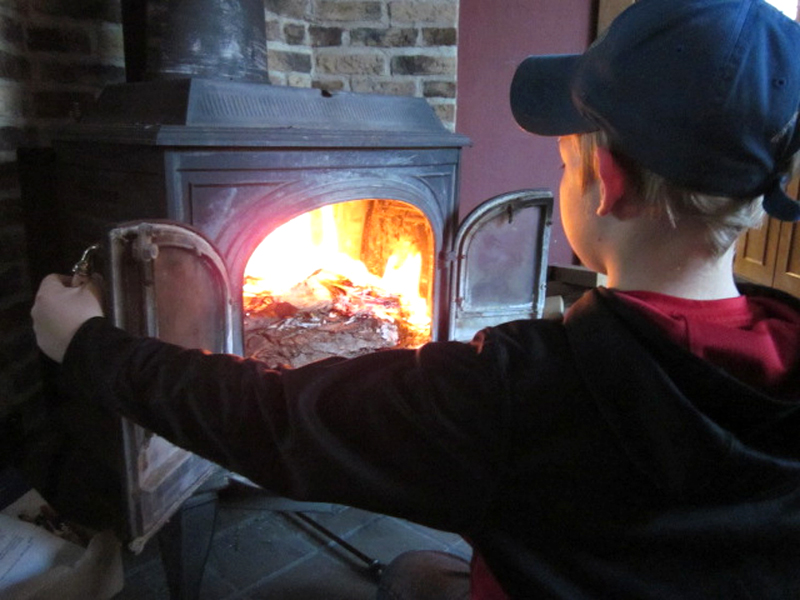
What do pilgrim and pioneer children have in common with aborigines in the highlands of New Guinea, hamsters, and some children living in "progressive" homes of today?
The answer? Return of respiratory diseases related to wood stovesA respiratory condition which had gone away but which has just recently been “rediscovered”; namely, recurrent pneumonia, cough, and wheezing which does not seem to be associated with infectious illness.
The problem we are talking about is with wood stoves. They were necessary, basically designed and ubiquitous; then they went away and took the pollution and chronic respiratory disease with them. Now that they are making a comeback, so are the respiratory issues they caused which we had forgotten about.
Dr. Richard E. Honicky M.D. was one of the first to re-describe the respiratory hazards of these increasingly more common heating devices.
He found a three-month old infant who developed severe respiratory symptoms as soon as the family began using a wood stove as a primary heat source – recurrent pneumonia, cough, and wheezing which was not caused by the medical problems commonly thought of.
Cultures and laboratory work for bacteria and viruses were negative and there was no family history of asthma, tuberculosis, cigarette smoking, or any other chronic respiratory diseases.
Moreover, during visits to the doctor’s office or to a neighbor’s house or to a hospital, the baby’s symptoms abated.
Eventually, after much trial and error, it became obvious that the wood burning stove was the sole cause of the respiratory symptoms, and when the family switched back to oil heat, the baby’s symptoms subsided and he began to develop normally.
Subsequent to that, another study was reported in which 31 preschoolers who were exposed to wood smoke were followed and found to have significantly more moderate-to-severe respiratory symptoms than children whose homes were heated by gas or electric furnaces.
The study was well controlled and the children were matched for age, sex, hometown, head of household’s education, use of humidifiers, and exposure to cigarette smoking in the home.
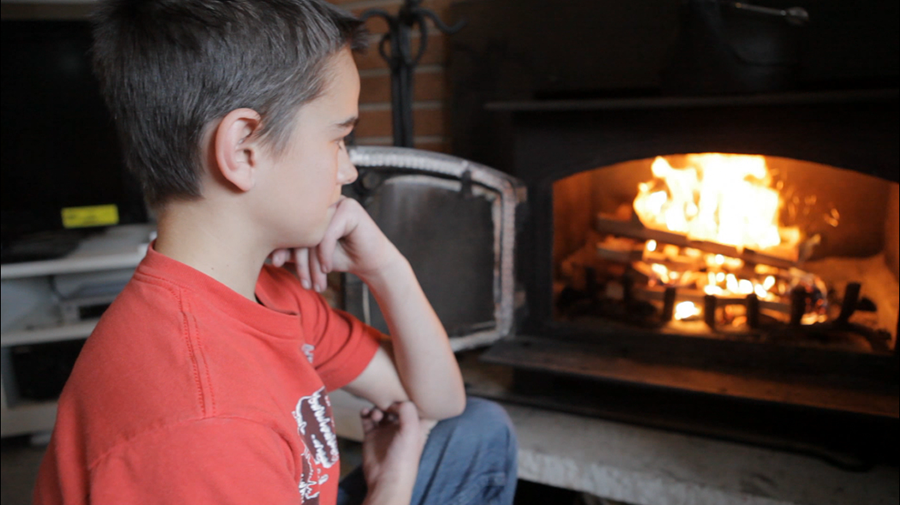 Wood stoves can cause unexplained respiratory diseaseThe mediator in the study seemed to be airway irritation from hydrocarbons and particulate matters released from the wood as it is burning causing the symptoms in infants through adolescents.
Children have much narrower airways than adults. In addition, they are more frequently at home and thereby exposed to a greater amount of these residential air pollutants. Even teens are susceptible to airway distress.
Other studies have shown that some Aborigines in New Guinea have a style of hut in which emission levels from their fires are extraordinarily high and produce the early development of chronic lung disease.
But wood smoke has been shown in other studies not to be as toxic as that of coal.
Hamsters who are exposed to wood burning stove emissions have considerably less pulmonary injury than do those who are exposed to burning anthracite, and especially bituminous coal.
Burning marine plywood and outdoor treated wood can be additionally dangerous. These types of woods have been treated with preservatives, one of which is arsenic-pentoxide mixed in chromium and copper solution.
Eight family’s studied at the University of Wisconsin Medical Center for very unusual symptoms were found to have high levels of copper, chromium, and arsenic in their hair and fingernails… all eventually traced to their wood burning stove.
Inhalation of the ash led to chronic exposure of the respiratory system, and all eight members of the family had bronchitis and lung congestion. One two-year old toddler almost died after developing acute pneumonia.
There are some recommendations for the use of wood stoves and fireplaces. Burning an occasional log in the fireplace for aesthetic reasons does not seem to cause problems. Having a tightly insulated house and using wood burning stoves, especially those that are slow burning, seem to be the culprits.
Burning wood, hot and fast to cut down on the emission seems to be the only answer at present. Some people have suggested that an internal catalytic converter be built into each residential wood burning stove.
The EPA announced that, based on a 6-year review, they were revoking the status of the inorganic arsenic based compounds (creosote, pentachloraphenol and their salts) as approved pesticides in order to help lessen the health threat caused by burning the preservative treated woods.
If members of your family seem to have chronic, recurrent respiratory symptoms, still the first thing to look for as the cause is exposure to a viral illness or smoking habits of household members.
If there are none of these causes, then your wood or coal burning stove ought to be the next suspect.
As always, take the advice of your pediatrician for worrisome respiratory symptoms in your infants, children and teens.
Advertisement by Google
(sorry, only few pages have ads)