
Stings and Bites in Children
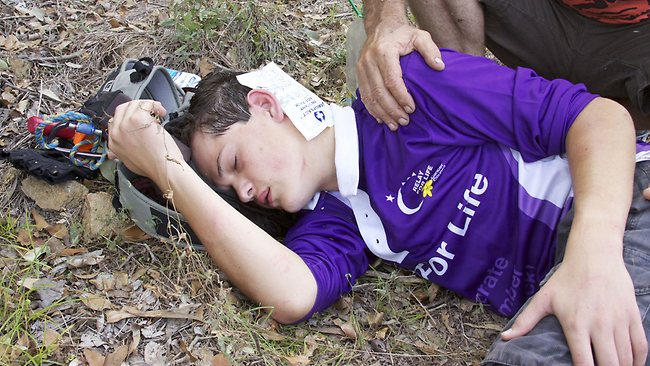
The summer is full of things that bite, have you noticed? Bees, wasps, fire ants, snakes, spiders, flies, mosquitoes, ticks, and scorpions. Some areas have these threats to health and sanity all year long.
I’m going to talk about two in this article; one because the are so common – mosquitoes; and one because they can be so dangerous – bees.
Bees Can Bite
One summer I let a friend of mine place a beehive in my back yard. It was fascinating to watch and did wonders for the fruits and vegetables.
Although I never was stung, I admit I was unnerved a time or two when I got in the way of a bee heading for her favorite flower.
Bees will frequently travel at full speed in a straight line to a previously visited flower and are just as surprised as you are to find a body in their way. There are about forty people in the United States who die every year from a systemic reactions to a bee sting.
All stings will cause a local reaction, but it is the systemic reactions that are the most dangerous. Beginning signs of a systemic reaction are: hives over the body, tightness in the chest, hoarseness, wheezing, facial swelling, dizziness, thick tongue, fainting, and signs of shock.
Treatment
If you see any of these occurring, immediately take your child to the emergency room for treatment unless you’ve been through this before and already have an “Epi-Pen.”
In that case, it probably means you’ve had a reaction before and you should inject the medicine immediately, even before you call your doctor.
Most bees sting only in self-defense or in defense of the nest. The yellow jackets, on the other hand, have been known to sting un-provoked as do the African strain of honey bees. Although I guess it is relative as to what the term “provoked” means to an animal or insect. It might be that just smelling you is offensive to them and is provocation enough.
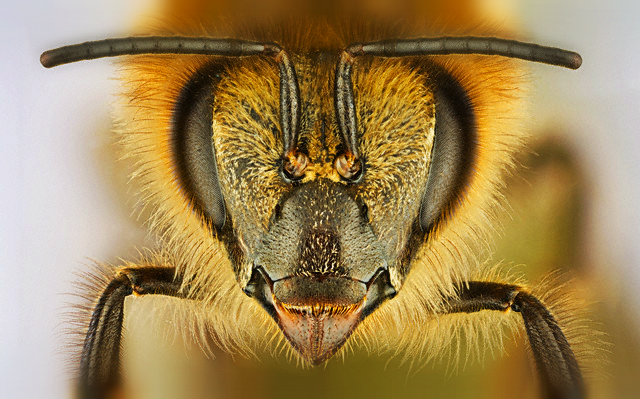 A honey bee’s stinger, which has a barbed tip, should be removed with a horizontal scraping motion – do not squeeze the stinger. Cool ice or compresses and topical itching creams (Calamine) are good first aid measures.
In addition, antihistamines (over the counter or Benedryl) and steroid tablets (from your doctor) might be of value in extensive, local reactions.
Prevention
There are some ways to prevent stings. The most obvious is avoiding areas where bees and wasps hang out, like clover fields, orchards, and bird baths.
Avoid wearing bright colored clothing with flowery prints and shiny jewelry. And, wear long pants and sleeves if possible.
Don’t use perfume, cologne, hair spray, or scented soaps; and on hikes, avoid kicking at dead logs and other things that will vibrate and anger nearby bees.
In a car, a “bee cloth” can be used to trap the frightened insect and shake it out the window before it stings if you can have one handy. Make it from a large handkerchief or yard of cheesecloth. But remember, if it thinks you are trying to capture or attack it, it will exercise it’s right to defend itself. So trying to kill it will only make it more frightened or angry. Whatever you do, do it quickly and succeed.
Avoid rapid movements when a bee wants to “rest” on you. Back up slowly and don’t slap or brush it away. It is either resting or curious and usually won’t sting unless it is frightened or antagonized.
Mosquitoes
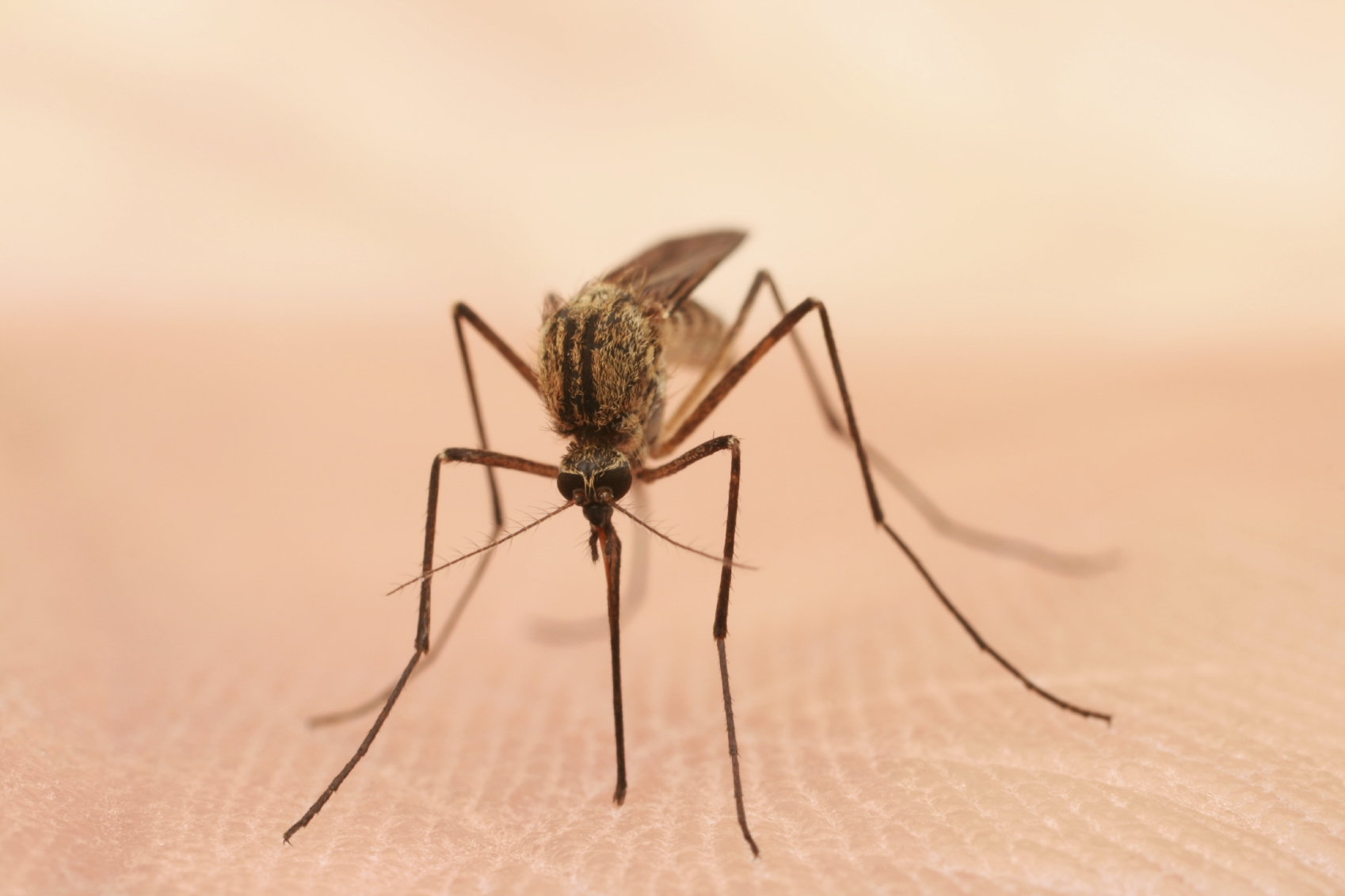 Mosquitoes, on the other hand, do come after you. Like bees, they are also attracted to bright clothing, light and movement. Unlike bees they are attracted to humidity, sweat, human odors and even your breath! Probably, mostly your breath.
In sensitive individuals, a hive-like wheal and persistent nodules may last for several hours or days at the site of the bite.
An old fashioned treatment is to place some fluid – spit or otherwise – on the bite, then pour salt into a mound over it. Allow it to dry and it will eventually fall off on its own. It works. The itching will subside or lessen. Cool compresses and antihistamines can be useful as well.
Long sleeve shirts and long pants protect a lot as well as any type of mosquito repellant containing the chemical DEET. The best treatment is: protection. Keep them away from where you are with area repellants – citronella candles and the like.
Some people report the use of Vitamin B1 (75 to 150 mg per day) to be a valuable natural repellant as it is excreted in the sweat and produces a material offensive to insects. Others swear by eating items which exude odors out through your pores like onions and garlic.